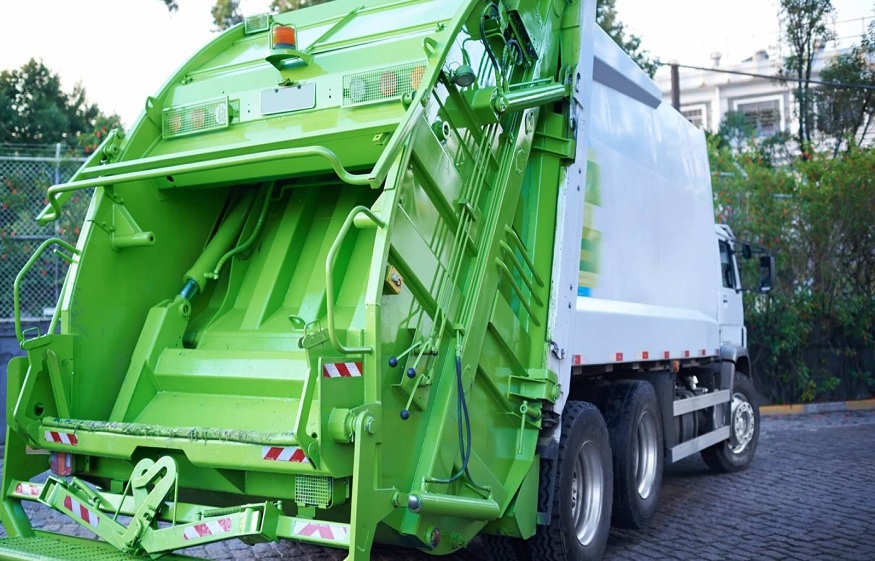
Rear Loader Garbage Truck Cost vs Performance
When evaluating a rear loader garbage truck, one of the most important decisions fleet managers and buyers face is finding the right balance between cost and performance. This decision affects not only the initial purchase price but also long‑term operational efficiency, maintenance costs, and overall service quality. Understanding how cost relates to performance helps organizations choose a truck that meets both their budget and performance needs.
The Initial Purchase Cost
Rear loader garbage trucks are often more affordable upfront than highly automated waste collection vehicles. The basic cost typically includes the chassis, body, hydraulic system, and standard safety features. While price varies by brand, body size, and additional options, rear loaders generally deliver reliable performance without the high cost associated with fully automated systems. For many municipalities and private waste contractors, a lower initial investment makes rear loaders an attractive entry point into modern waste fleet operations.
Performance Factors That Affect Cost
Performance is influenced by several key components. Engine power, compaction force, hydraulic system quality, and body capacity all contribute to how well a truck performs on daily routes. High‑performance components cost more, but they also deliver stronger compaction, greater reliability, and longer service life. Trucks with powerful engines and advanced hydraulics handle tougher routes and heavier waste more efficiently, which can justify the higher cost over time through improved operational results.
Load Capacity and Route Efficiency
A major performance metric for rear loader garbage trucks is load capacity. Larger bodies with higher compaction ratios can collect more waste per trip, which reduces the number of trips to disposal sites. Trucks with higher capacity and compaction performance often cost more initially, but the savings on fuel, labor time, and vehicle wear during daily operations can offset the extra cost. Improved route efficiency directly influences overall cost‑effectiveness.
Fuel Type and Operating Costs
The choice of fuel type impacts both cost and performance. Diesel engines remain the most common choice due to their robust performance and widespread service availability. However, compressed natural gas (CNG), hybrid, or electric models are becoming more accessible. Alternative‑fuel trucks typically cost more upfront, but they may reduce operating expenses through lower fuel costs, fewer emissions, and quieter operation—advantages that are valuable in urban areas with environmental standards.
Maintenance Costs Over Time
Maintenance is a critical component of cost vs performance. Trucks with simpler mechanical systems tend to have lower maintenance costs and easier serviceability. Rear loader garbage trucks typically feature fewer complex electronics than automated loaders, which can mean lower repair costs and less downtime. Choosing a model with quality hydraulic components, accessible service points, and strong manufacturer support improves performance and reduces life‑cycle expenses.
Durability and Long‑Term Value
Durability plays a major role in the cost‑performance equation. Trucks built with high‑strength steel bodies, rugged chassis, and reliable hydraulics may cost more initially but tend to deliver better long‑term value. Durable trucks withstand daily loading cycles, heavy payloads, and challenging routes without frequent breakdowns. This long‑term reliability enhances performance consistency and often results in better resale value when the truck is replaced.
Safety and Performance Standards
Performance also includes safety performance. Trucks equipped with modern safety features—rear‑view cameras, alarms, emergency stops, and better lighting—can cost more, but they improve operational safety for workers and the public. Safer trucks reduce accident risks, lower liability costs, and contribute to smoother waste collection routes. Incorporating safety into performance evaluation is essential when comparing cost factors.
Choosing the Right Balance
Choosing the right balance between cost and performance depends on operational needs. A small municipality with a tight budget may prioritize lower initial cost and basic performance features. Larger cities with higher waste volume may need trucks with stronger compaction, larger capacity, and advanced durability—even if the price is higher. Understanding route density, waste type, fuel infrastructure, and maintenance resources helps buyers select the most cost‑effective configuration.
Total Cost of Ownership
The best way to compare cost vs performance is by looking at total cost of ownership (TCO) rather than just the sticker price. TCO includes the initial purchase cost, fuel consumption, maintenance expenses, downtime, resale value, and productivity gains. A slightly more expensive truck with better performance may have a lower TCO over its lifespan because it completes routes faster, requires fewer repairs, and uses fuel more efficiently.
Final Thoughts
Rear loader garbage trucks offer a strong combination of affordability and practical performance. While cost is always an important factor, evaluating how a truck performs on real routes provides a clearer picture of its true value. Buyers who consider both cost and performance holistically are more likely to choose trucks that deliver reliable operations, lower long‑term expenses, and improved waste collection service quality.